Train Your Seat® Pelvis Hybrid Trainer Diploma
ADVANCED BIOMECHANICS FOR EQUESTRIAN TRAINERS
This program combines immediate access to the online Pelvis Trainer Diploma course with a 5-day in-person training experience in Olds, Alberta.
Online Course Access: Available immediately after registration
September 16 - 20, 2026
Olds, Alberta, Canada
Led by Alysen Starko-Bowes, Founder of Train Your Seat®
Start Learning Right Away, Then Deepen It In Person
This hybrid format gives you the best of both worlds:
You get the structure and depth of the online training, plus the hands-on experience, feedback, and applied learning that can only happen in person.
Designed for equestrian professionals who want to better understand the rider’s pelvis, seat, and movement in the saddle.
Reserve Your Spot →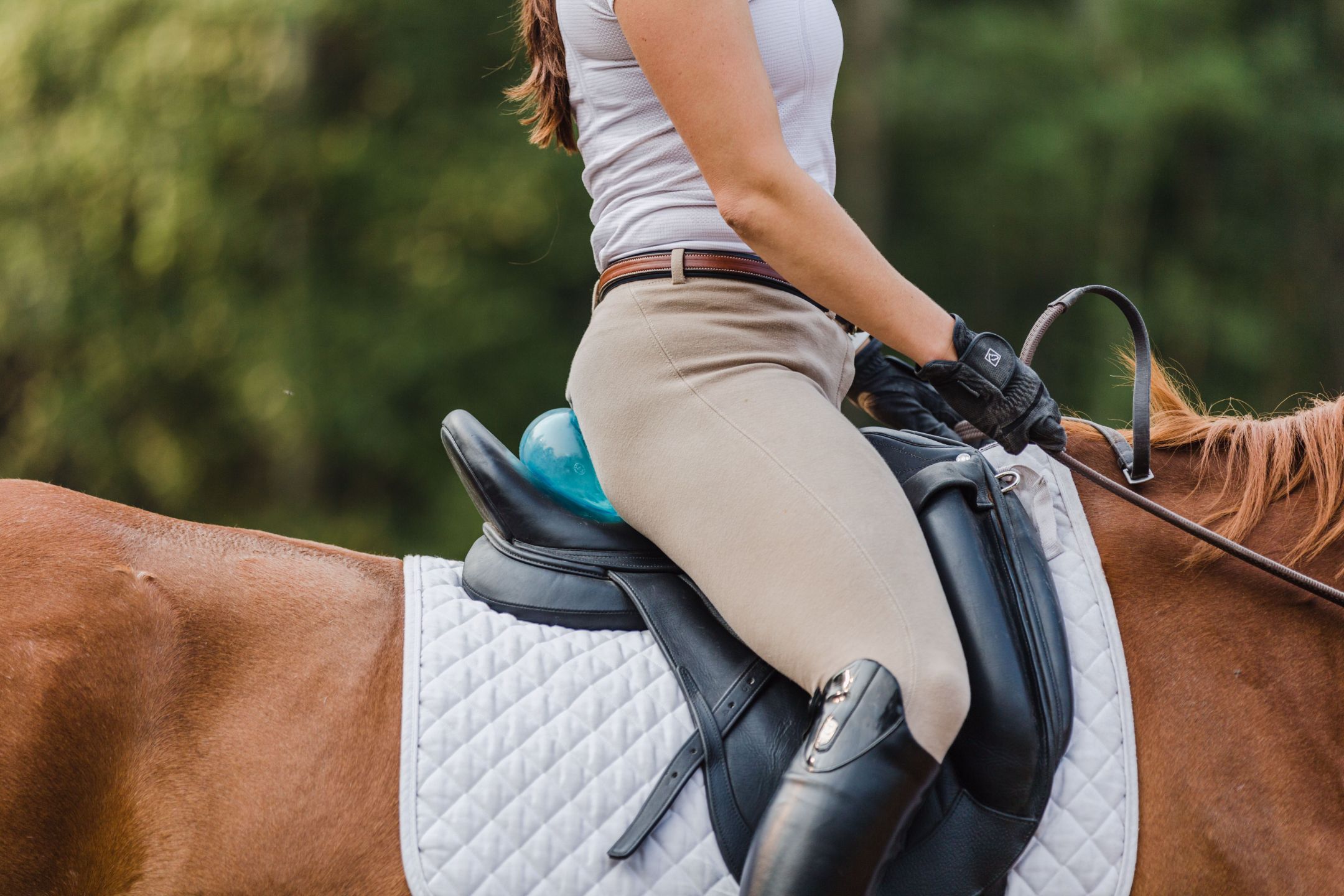
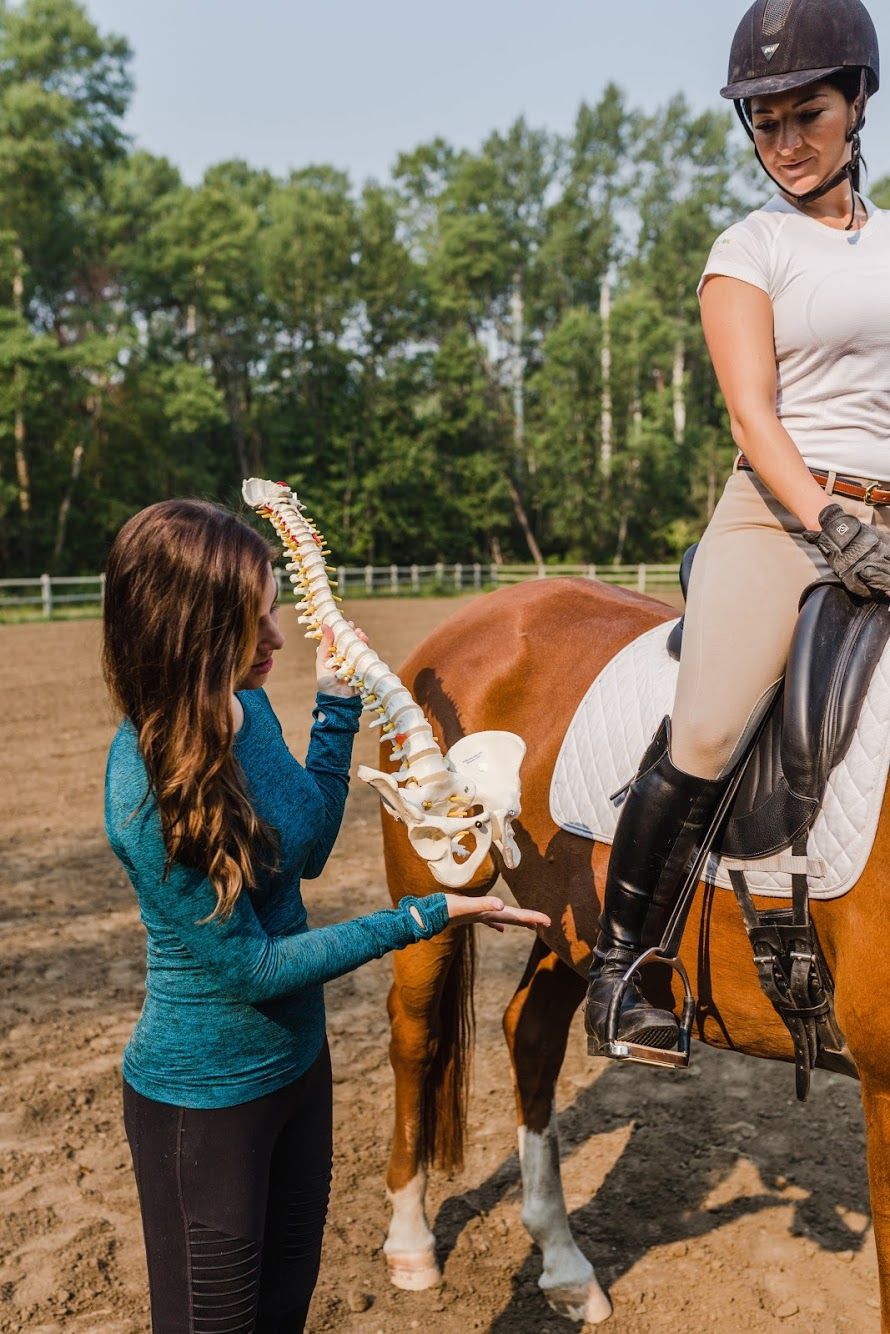
Unlock a Deeper Understanding of the Rider’s Seat
The pelvis is central to how a rider absorbs movement, follows the horse’s back, organizes the legs, breathes, balances, and communicates through the aids.
Yet many riders are still taught through general cues like:
“Sit deeper.”
“Relax your hips.”
“Use your seat.”
“Stop gripping.”
“Follow the movement.”
These cues may be familiar, but they often do not give the rider a clear felt understanding of what needs to change.
This training helps you move beyond general seat corrections and into a more specific, embodied way of understanding and teaching pelvis mechanics.
You will learn how to see what is happening in the rider’s body, understand why it is happening, and guide riders toward clearer movement in the saddle.
Reserve Your Spot →Pelvis Trainer Diploma Course Schedule
⎯⎯⎯⎯
Weekend Intensives (8 AM - 11 AM MST)
-
October 17 and 18, 2026 - Saturday and Sunday
-
November 14 and 15, 2026 - Saturday and Sunday
-
January 10 and 11, 2027 - Saturday and Sunday
Weekly Classes (11 AM - 1 PM MST)
-
September 22, 2026 (Tuesday) - Welcome Call and Pelvis Foundations
-
October 1, 2026 (Thursday) - Pelvic Bones and Hip Joints in Riding
-
October 6, 2026 (Tuesday) - Movement of the Seat Bones
-
October 27, 2026 (Tuesday) - Pelvic Bones and CounterRotation
-
November 2, 2026 (Monday) - The Sacrum
-
November 12, 2026 (Thursday) - Ligaments of the Pelvis and Hip Stability
-
December 1, 2026 (Tuesday) - Functional Pelvic Floor for Riders
-
December 8, 2026 (Tuesday) - Case Studies, Correcting Common Seat Habits
-
December 17, 2026 (Thursday) - Breath Coordination with Pelvic Movement
-
January 15, 2027 (Thursday) - The Muscles Surrounding the RIder’s Seat
-
January 22, 2027 (Thursday) - Final Integration and Application
Schedule Subject to Change: This schedule is a guideline and may be adjusted as needed to best support learning. While changes are rare, some topics may be covered more quickly or require additional time.
Refine Your Coaching Skills with Targeted Pelvic Biomechanics
Gain a precise toolkit of biomechanical exercises and imagery techniques that strengthen your riders' stability, control, and movement. This comprehensive program includes practical application with pelvic anatomy, seat balance, and breathing techniques that directly enhance rider posture and responsiveness. Integrate advanced training techniques into your sessions to help riders achieve smoother transitions, improved endurance, and a more coordinated, feel based connection with their horse.
BOOK A DISCOVERY CALLAbout This Program
⎯⎯⎯⎯⎯
Throughout this immersive online training, you’ll engage in core principles—detailed anatomical understanding, functional biomechanics, and imagery—all tailored to equestrian movement and performance.
While you’ll gain extensive theoretical knowledge, this is no lecture series. In this interactive program, you’ll directly apply biomechanics concepts through practical exercises that address common challenges head-on, integrating solutions specific to equestrian needs.
By graduation, you’ll have a new perspective on rider biomechanics, plus practical tools you can implement immediately in your sessions. You’ll learn techniques for incorporating mind-body exercises and imagery both in and out of the saddle, transforming everything from warm-ups to lesson planning.
You’ll also master the use of training aids like balls and bands, applying scientifically proven principles to amplify rider stability, balance, and response. This structured approach will not only elevate your riders’ performance but redefine how you coach biomechanics for lasting, visible results.
Our students agree: this advanced course is a pivotal step in professional growth, providing the practical depth that transforms equestrian coaching!
REGISTER NOW →What's Included

5 Days of In-Person Training
Study directly with Alysen in a focused professional learning environment.
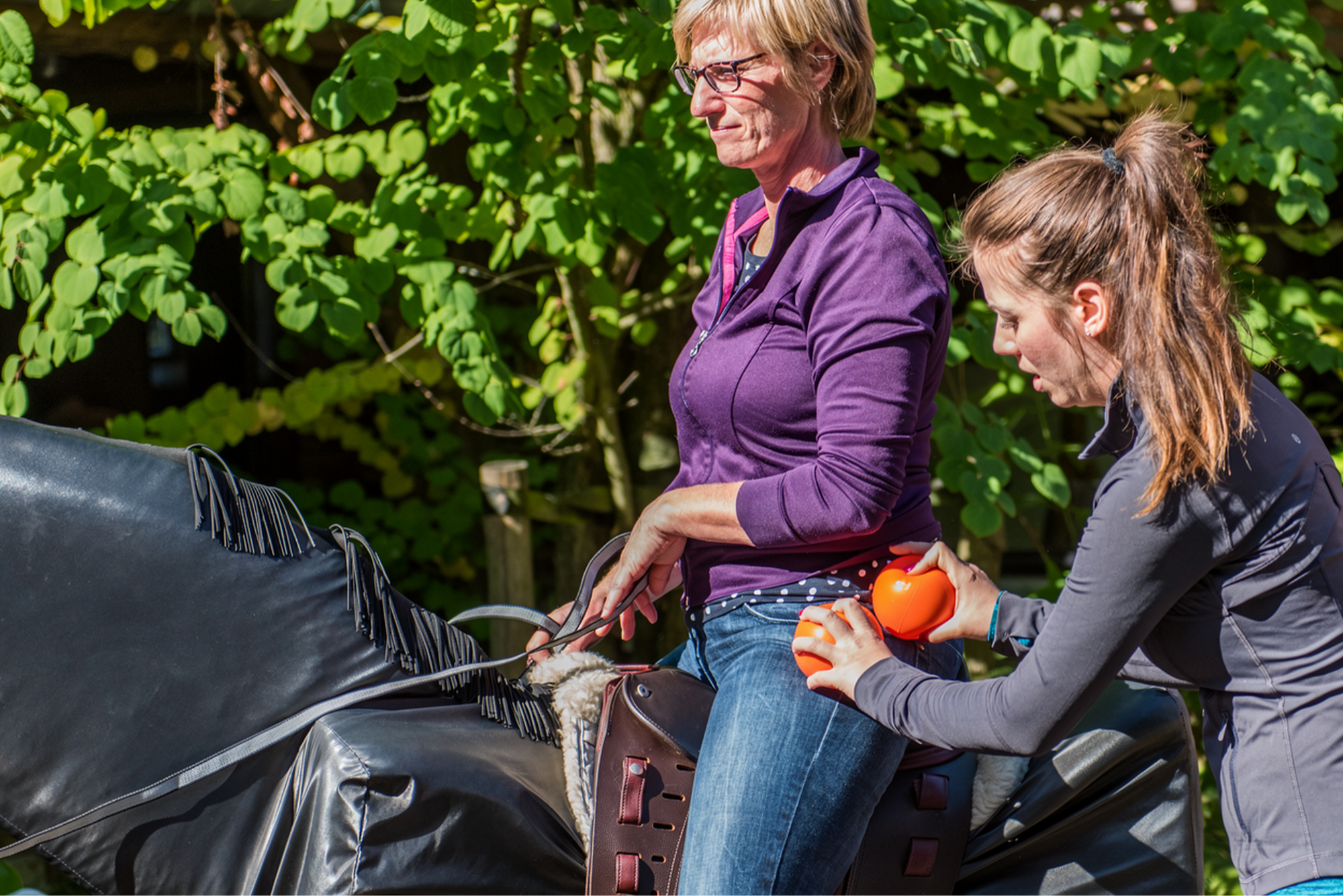
Racewood Simulator Work
Explore rider movement, pelvis mechanics, timing, and seat function in a consistent movement environment.

Coaching Practice
Practice applying the concepts through observation, discussion, cueing, imagery, and teaching examples.

Applied Anatomy & Biomechanics
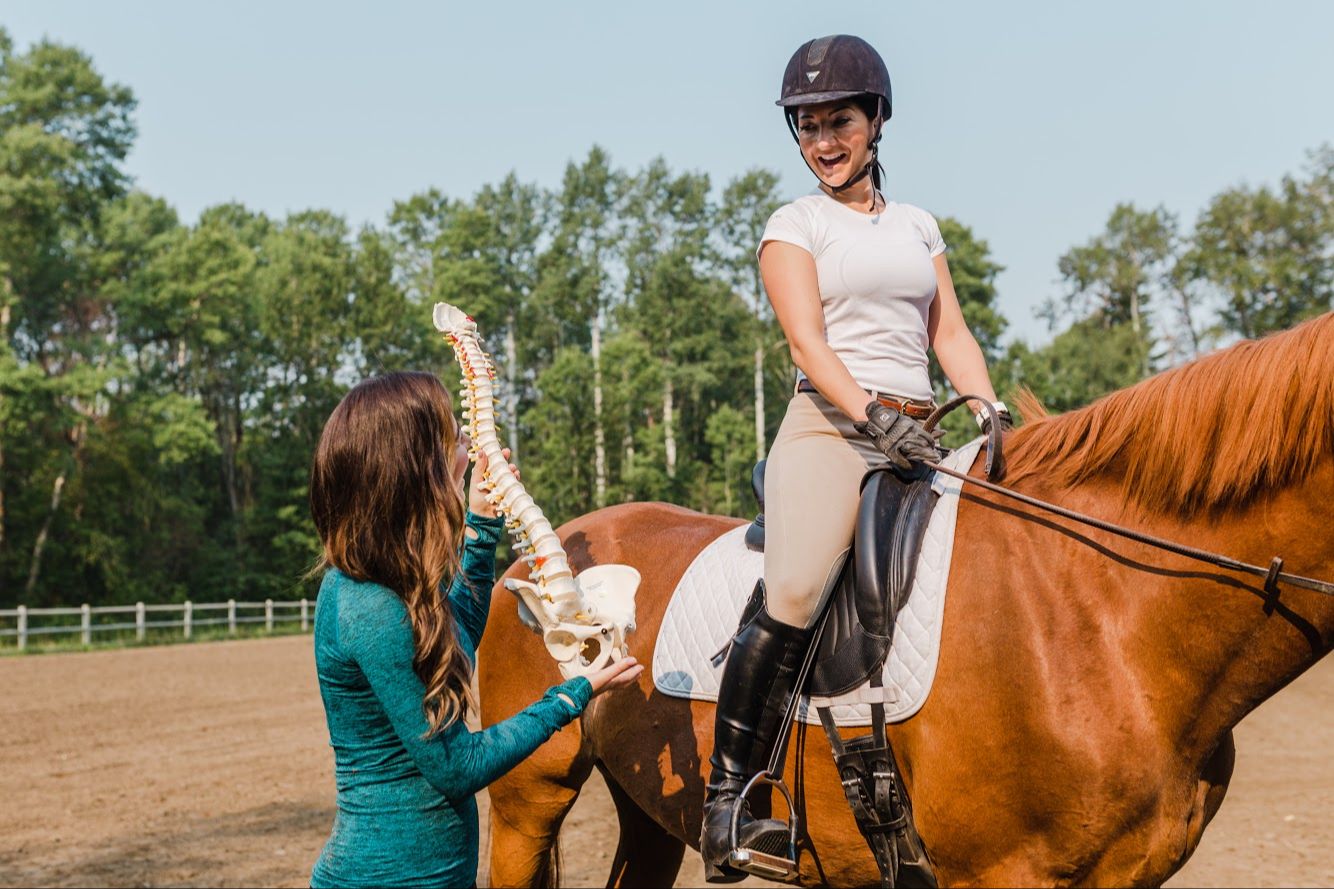
Learn pelvis, hip, seat bone, pelvic floor, spine, & leg mechanics in relation to riding.
Racewood Simulator Work
Explore rider movement, pelvis mechanics, timing, and seat function in a consistent movement environment.

Small-Group Learning
Ask questions, receive feedback, and learn alongside other equestrian professionals.
PELVIS TRAINING MANUAL
Get access to the 100+ page manual on Embodied Rider Biomechanics™! This comprehensive guide focuses on optimizing pelvic stability and control for riders. It begins with an in-depth exploration of Bone Dynamics, followed by a detailed analysis of Muscles and Fascia involved in pelvic movement. You’ll gain a deep understanding of the pelvis’s role in riding, including its connections to the hip joints, sacrum, and surrounding ligaments and muscles, which are crucial for maintaining balance and coordination. With clear explanations and detailed illustrations, this manual is designed to help you connect with your body’s mechanics, improving your riding experience through a more dynamic and responsive pelvis.
REGISTER NOW →
A peek inside the on-demand
Train Your Seat Equestrian Pelvis Diploma

The Hip Joint
This module dives deep into the anatomy and biomechanics of the hip joint, exploring how it serves as the primary connection between your legs and pelvis. You’ll learn about the joint’s unique ball-and-socket structure, its range of motion, and how its stability impacts overall rider balance and movement. Understanding the hip joint’s role is essential for maximizing flexibility, control, and power while riding.
The Pelvis Design and Function
Explore the design and function of the pelvis in this module, where we break down its intricate structure and its crucial role in supporting your upper body while connecting to your lower body. You’ll gain insight into how the pelvis acts as a central hub for movement, influencing posture, balance, and alignment. This knowledge will help you use your pelvis more effectively to create fluid and controlled riding movements.


The Sacrum
In this module, we focus on the sacrum, the triangular bone at the base of the spine that plays a key role in connecting the spine to the pelvis. You’ll learn about the sacrum’s function in stabilizing your core and transferring energy through your body while riding. Understanding the sacrum’s relationship with the pelvis and its impact on motion will enable you to enhance stability and coordination in the saddle.
Tensegrity
In this module, we explore the concept of tensegrity—the unique structural balance between tension and compression that holds our bodies together. You’ll learn how tensegrity operates within your musculoskeletal system to create stability and flexibility, allowing for efficient, controlled movement. This principle is especially important for riders, as understanding how your body naturally maintains balance will help you move more fluidly and in harmony with your horse.


Pelvic Bones as Wheels
This module introduces the concept of the pelvic bones as wheels, helping you visualize the pelvis’s movement in a more dynamic way. By seeing the pelvic halves as wheels that move independently yet work in harmony, you’ll understand how to create more fluid and controlled movements while riding. This concept will transform your approach to balance and enable smoother transitions in your riding technique.
Introduction to Muscles
Get to know the essential muscle groups that contribute to rider stability, flexibility, and control in this foundational module. We’ll cover the basics of muscle structure, function, and the role muscles play in movement and posture. By understanding how your muscles work together, you’ll gain the knowledge needed to improve coordination and maximize your riding performance with targeted strength and flexibility.


The Pelvic Floor
Delve into the critical role of the pelvic floor muscles in this module, where we explore their function as the foundation of core stability and control. You’ll learn how to engage and strengthen these muscles to improve your posture, enhance balance, and support your lower back while riding. A strong pelvic floor is key to maintaining stability in the saddle and responding to your horse’s movements with greater precision.
The Iliopsoas
Dive deep into the iliopsoas, a powerful muscle group that connects your lower spine to the pelvis and thighs, playing a vital role in hip flexion and core stability. In this module, you’ll explore how the iliopsoas influences posture, balance, and control in the saddle. With focused exercises and techniques, you’ll learn how to strengthen and engage the iliopsoas to improve both stability and responsiveness during riding.


External Rotators
This module introduces the external rotators of the hip, a group of muscles that provide critical support and stability for the pelvis and lower body. You’ll learn how these muscles facilitate controlled lateral movement and enable a deeper connection to the saddle. Understanding the role of the external rotators will help you maintain alignment, improve hip flexibility, and enhance overall lower-body control as you ride.
Breathing
This module focuses on the powerful connection between breathing and pelvic function. You’ll discover how proper breathing techniques can directly influence your body’s biomechanics, particularly the stability of your core and pelvis. By mastering your breath, you’ll improve not only your posture and balance but also your overall sense of rhythm and relaxation in the saddle, leading to a more harmonious riding experience.

BONUS: Equestrian Ball Training Course ($547 USD value)
As part of your certification, you’ll receive exclusive access to the Ball Training Course — a unique toolkit designed to elevate your teaching. This course provides innovative techniques using balls in the saddle to enhance riders' feel, proprioception, and body awareness. By incorporating this method, you’ll be able to guide riders in developing a refined sense of balance and movement, empowering them to connect more intuitively with their horses. This bonus course adds extra depth to your skill set, setting you apart as a trainer with specialized tools for optimal rider biomechanics.
REGISTER NOW →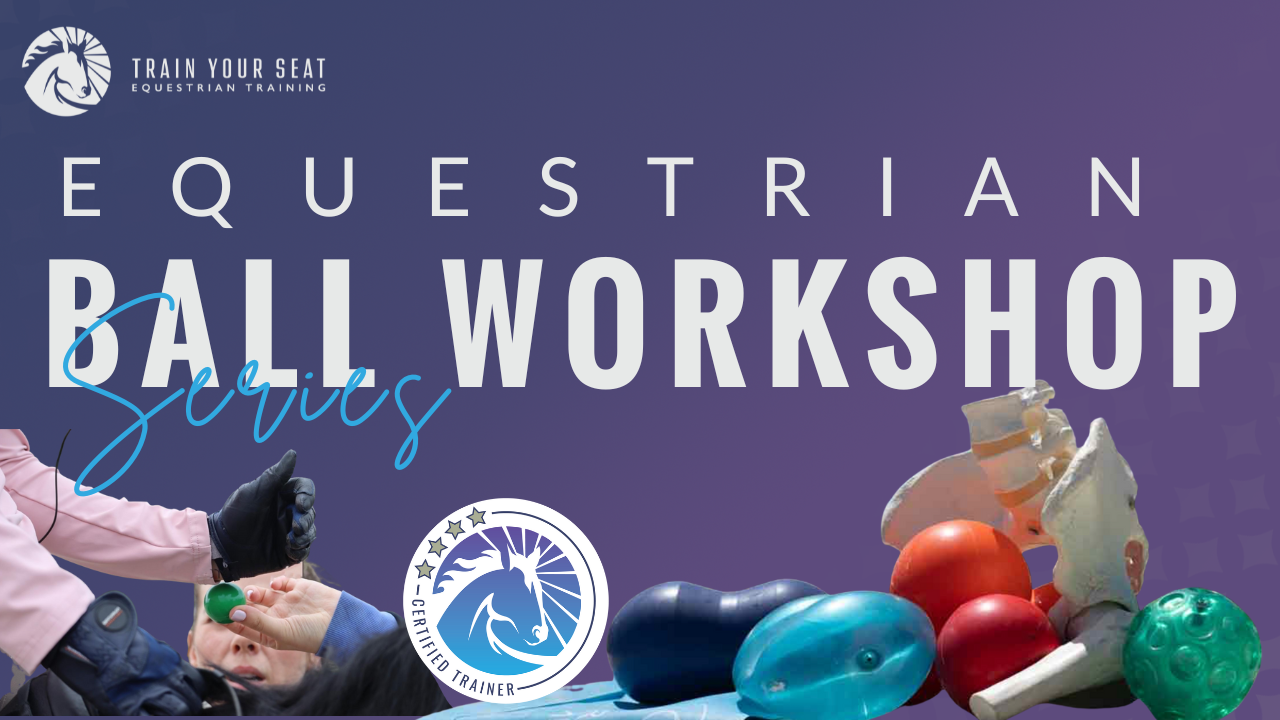
MEET YOUR MENTOR
ALYSEN STARKO-BOWES
Alysen is the founder of Train Your Seat Equestrian Training & Rider Biomechanics
────
Alysen Starko Bowes is the founder of Train Your Seat, an embodied rider biomechanics education system used by trainers and riders around the world. With more than a decade of experience working with equestrians, she brings together kinesiology, biomechanics, psychology, imagery, and somatic education to help riders improve coordination, communication, and movement efficiency.
Alysen has presented at the World Equestrian Games, is a published author, and collaborated with the University of Gloucestershire and Hartpury University on research examining rider position. Her work has been featured in Your Horse Magazine and the World Equestrian Center Magazine. Earlier in her career she served as faculty for an imagery based movement education method following extensive training with leading experts in mind body science.
Her work began in childhood with horses, grew through her background in psychology and competitive dance, and evolved into a comprehensive methodology that recognizes the rider and horse as an integrated system. Through Train Your Seat, Alysen trains and certifies coaches in evidence based, rider centered biomechanics that support ethical communication and improved performance for both partners.

What Our Students Think:
"Truly one of the best distance learning courses"
I have taken a lot of distance learning courses and this was truly one of the best. Very pedagogic and all the exercises meant that I did not get tired during the four hours. For me, this is much better than going on a course live. Having the opportunity to watch webinar several times is fantastic
"Complex topics are explained in a simple, straightforward way"
Overall I really enjoyed the course! Alysen has a way of explaining even complex topics in a simple, straightforward way which I really appreciated as someone who has had zero previous training on anatomy. I will definitely be back for another one
"What I love when teaching is how clients get instant feedback"
What I love when delivering a session is how clients get instant feedback on how to notice a change in their body which also affects their horse….that is truly lovely to see!